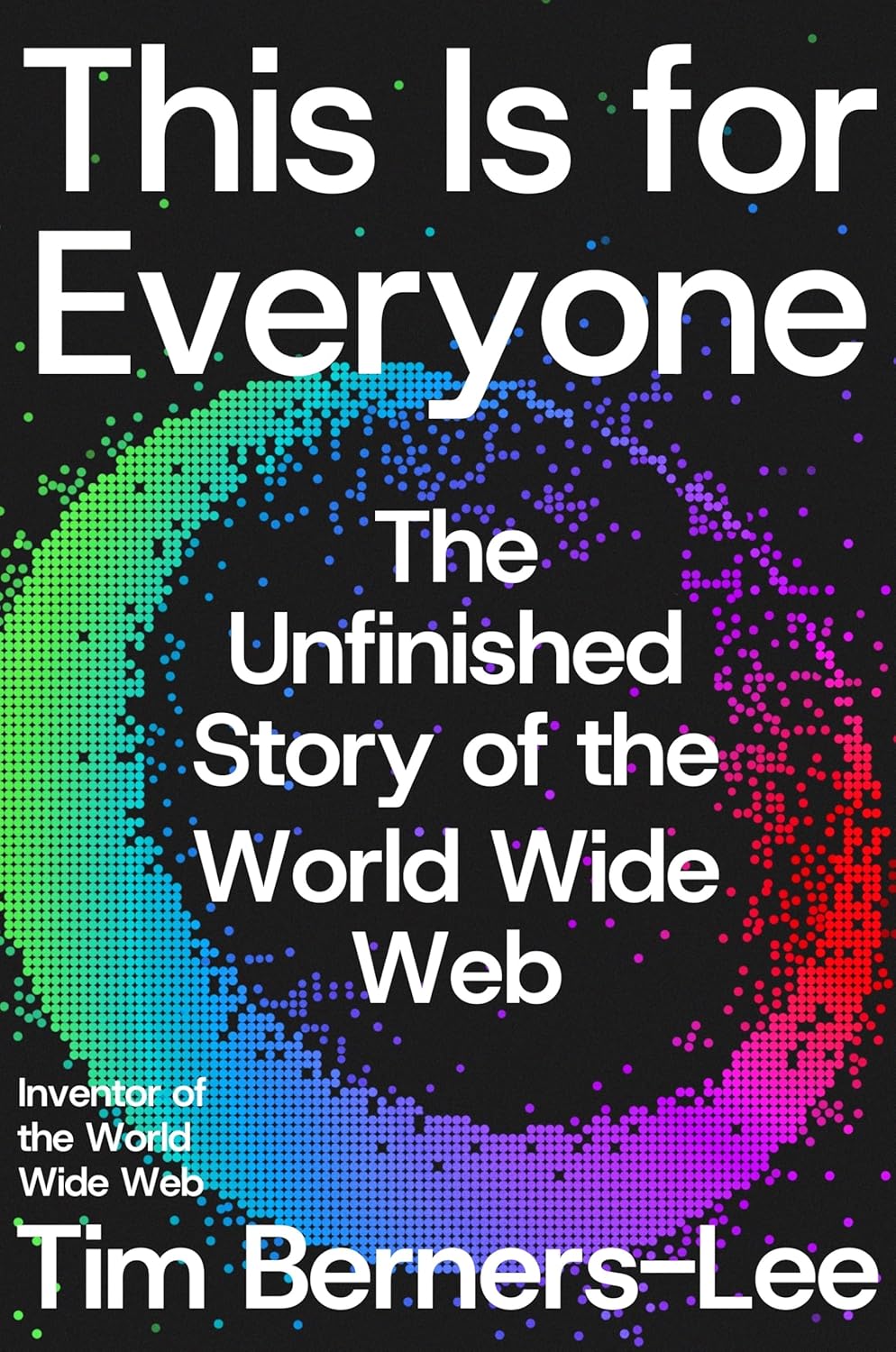
This Is For Everyone
Build for intention, not attention.
Essence (why this landed for me)
A first-hand story of the web that reframed my current questions. The book made clear that the problems I am wrestling with are known and being worked at the standards and governance level. I align with intent over attention, user data ownership, and using AI as a reset toward a more human web. I want to carry these ideas into the products I build.
Insights (mapped to mental models)
Takeaways grouped by mental models, with a short action you can use now.
Design for intention, not harvested attention.
Data belongs to the person who creates it.
Open standards keep freedom of movement.
Measure trust like safety-critical systems.
Contracts for the Web clarify roles.
AI is a chance to course-correct.
Architect for portability across apps.
Favor the commons where it compounds.
Beware stealth platform power.
Design governance, not just features.
Model the two pathways the web can take.
Ensure everyone can connect to the internet.
Keep all of the internet available, all of the time.
Respect and protect fundamental online privacy and data rights.
Make the internet affordable and accessible to everyone.
Respect and protect privacy to build online trust.
Develop technology that supports the best in people.
Be creators and collaborators on the web.
Build communities that respect civil discourse and dignity.
Fight for the open web as a civic right.
Absorption Notes (short essay)
Build for intent. Start projects by writing the user’s goal and the minimum information flows that make that goal happen. Treat data as the user’s asset and design everything so it can move. Prefer protocols and formats I can leave with. Design trust like safety. Name who can read, write, and transfer. Log changes. Add penalties in policy and friction in code where abuse would pay. When AI enters, check incentives first. If it pushes toward attention harvesting, stop and redesign. If it helps users act on their own goals with their own data, proceed. Borrow the Contracts for the Web as a checklist. What is on the builder, what is on organizations, what is on citizens. Contribution to commons is not charity. It is a way to make my work last and travel.
Reflection Prompts (product × design × engineering)
Questions to apply the ideas across projects. Pick one or two and use them today.
Intent first
What is the clear user intent here, written as a verb and object
SimplicityWrite verb + object in the brief.
Data dignity
Which data is the user’s and how do they control it end to end
Property RightsMap read, write, and transfer.
Portability
If a user leaves, what comes with them and in what format
Switching CostsName the export format.
Protocol over platform
Can an open standard replace a closed API in this path
StandardizationPrefer an open spec.
Incentive audit
Who gets paid by engagement here and what changes if we do not
IncentivesRemove engagement payoffs.
Second order
What changes at 3 and 12 months if this ships as is
Second-Order ThinkingNote 3- and 12-month effects.
Governance
Who decides disputes and how is that decision logged
Process ControlDefine decision rights and logging.
Commons
Where can I upstream one piece so others benefit and improve it
Public GoodsUpstream one change.